

VCAT Case Summaries
Looking for a case or a specific topic? Just use the search bar above

When Is Airbnb Use Considered Unlawful Subletting?
VCAT granted possession after finding the renters had sublet and continued to offer a fully furnished home on short-stay platforms without consent. The Tribunal rejected arguments that the owners’ refusal to consent was unreasonable.

When Do ‘Danger’ and ‘Serious Damage’ Notices to Vacate Fail?
In Valentine v Thomas [2025] VCAT 866, the Tribunal dismissed two Notices to Vacate—one for danger and one for serious damage—after finding the claims were too vague and lacked proof. Despite allegations of assaults, fires, and property damage, the rental provider failed to give sufficient particulars or show ongoing conduct.

VCAT Looks at Invalid Rent Increases Again!
The recent case of JHK v MBE [2025] VCAT 801 confirms that the Tribunal currently prefers the statutory approach to compensation when it comes to the issuance of invalid rent increase notices.

Can Excessive Notices and Emails Amount to Age Discrimination?
In Duffield v Singh [2025] VCAT 736, a long-term renter claimed his landlord and property manager discriminated against him because of his age. He pointed to repeated notices to vacate, constant “friendly reminder” arrears messages, and the earlier eviction of another elderly tenant as evidence of bias. See what VCAT said.

Rent Increases and the Transitional Provisions
In Hill v Katnelson [2025] VCAT 711, a renter argued she had overpaid rent because her notices of rent increase didn’t specify how the new rent was calculated. VCAT dismissed the claim, confirming that for agreements signed before March 2021, transitional provisions apply and detailed calculation methods are not required. Property managers should take note: the validity of rent increase notices depends on when the lease was first entered into.

Can DV Justify a New Lease and Shift Arrears Liability?
In PBG v South East Housing Co-Op [2025] VCAT 706, a renter applied to terminate a joint rental agreement and have a new one created in her sole name due to family violence. She also sought to have the other renter declared liable for over $8,600 in rent arrears. However, VCAT was not satisfied she had provided sufficient evidence of hardship or capacity to comply with rental obligations. Given her history of arrears and misrepresentations, the Tribunal found the community housing provider would suffer greater hardship if forced to offer her a new lease. The application was dismissed.
When Can You Claim Advertising and Letting Costs?
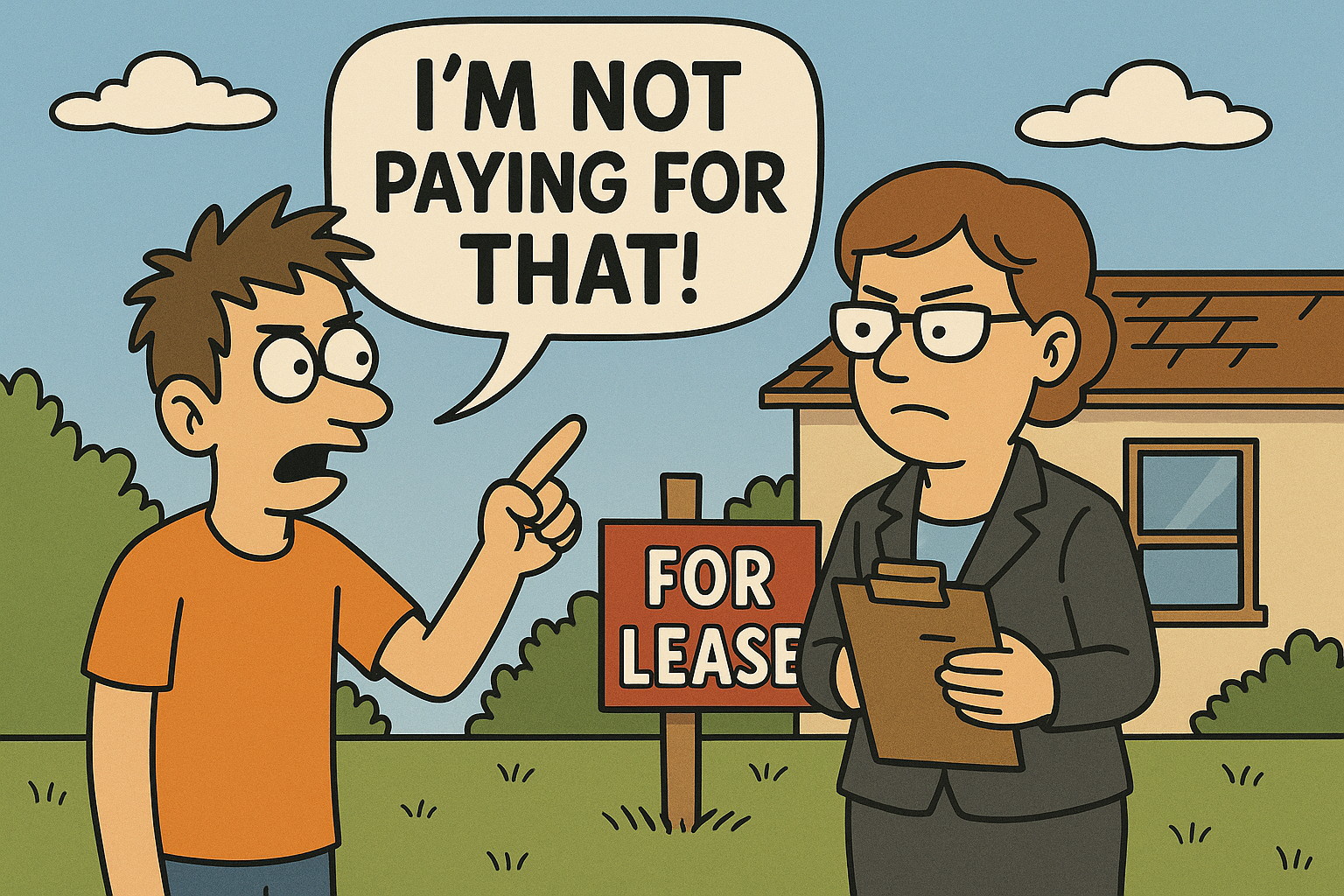
In Hogan v Joshi [2025] VCAT 548, a RRP tried to claim rent, letting fees, and advertising costs after a tenant broke their fixed-term lease early. But VCAT took a hard look at what compensation really means under the Residential Tenancies Act. The Tribunal found that routine vacancy days between tenancies aren’t compensable and that advertising and letting costs must be tied to the lease that was broken — and pro-rated accordingly. The case is a must-read for property managers who regularly file break lease claims.
When Danger Doesn’t Automatically Mean Eviction
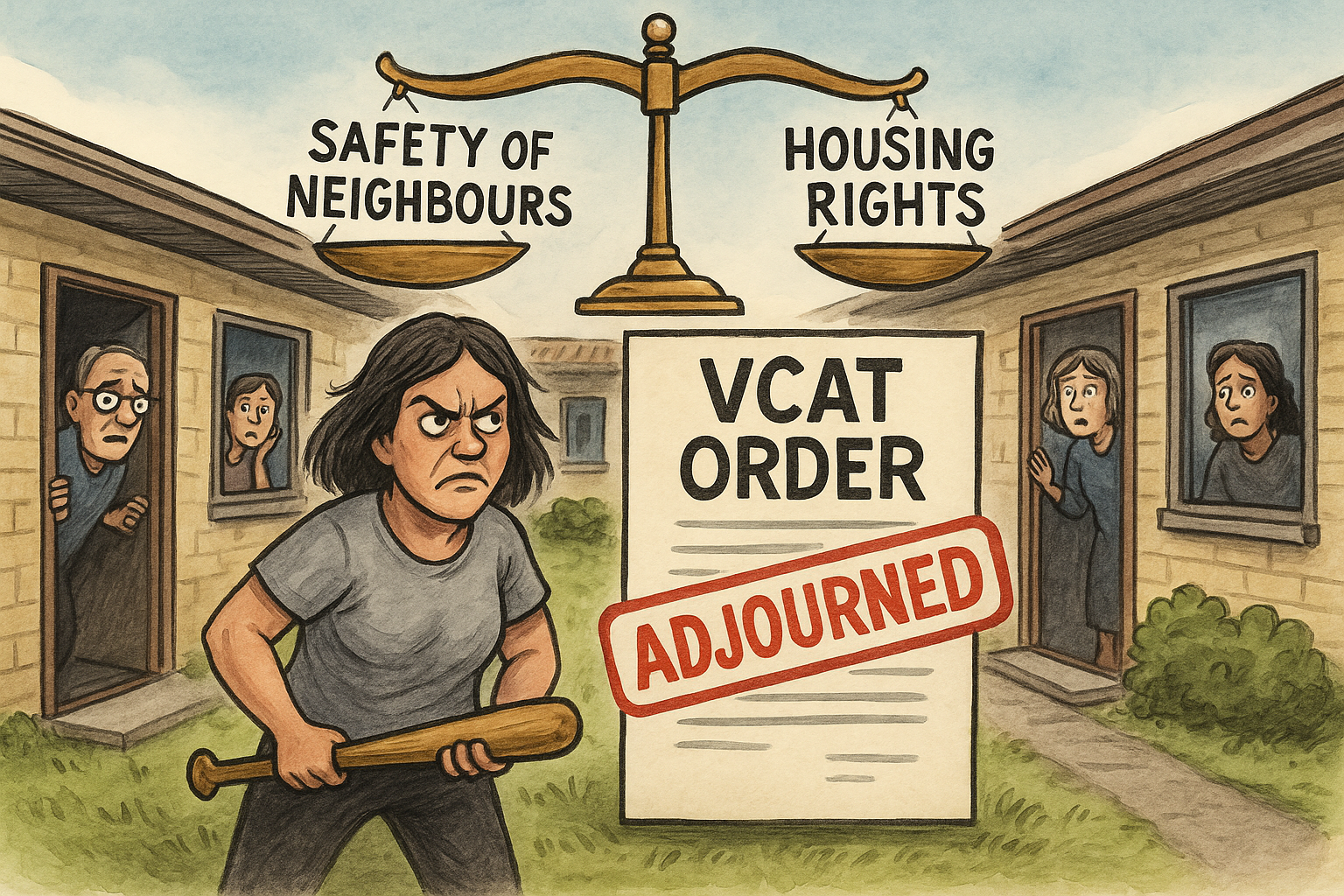
In Homes Victoria v Marsden [2025] VCAT 690, a renter convicted of assaulting her elderly neighbour faced eviction under a danger notice. While the Tribunal accepted that her conduct endangered neighbours, it ruled that eviction would be disproportionate given her homelessness risk and ongoing rehabilitation. Instead, VCAT adjourned the possession application until 2027, with a right of renewal if the renter reoffends or breaches her Community Corrections Order.

Do Renters Have to Give 28 Days’ Notice at the End of a Fixed Term?
In Tang v Ferolino [2025] VCAT 680, VCAT confirmed that a residential rental agreement does not simply “expire” at the end of a fixed term. If renters want to leave on the end date, they must give 28 days’ notice under s 91Z. Failure to do so can result in compensation to the residential provider.
![VCAT Member Conducts Site Visit To Inspect Premises: Housingfirst Ltd v FXC [2025] VCAT 507](https://images.squarespace-cdn.com/content/v1/66d574921f14f5225f74a31a/1751253613476-5S5GB66Y8O8ROBEJMDHW/ChatGPT+Image+Jun+30%2C+2025%2C+01_08_19+PM.png)
VCAT Member Conducts Site Visit To Inspect Premises: Housingfirst Ltd v FXC [2025] VCAT 507
A renter ignored multiple breach notices and failed to comply with a VCAT order to clean — leading to a property so unclean that the Member personally inspected it. The Tribunal found eviction reasonable and proportionate, reinforcing the importance of compliance and thorough evidence.